A publishing house specializing in occultism and underground philosophy in Spanish since 2014, with publications in English since 2021. Present throughout Latin America and active in international events.
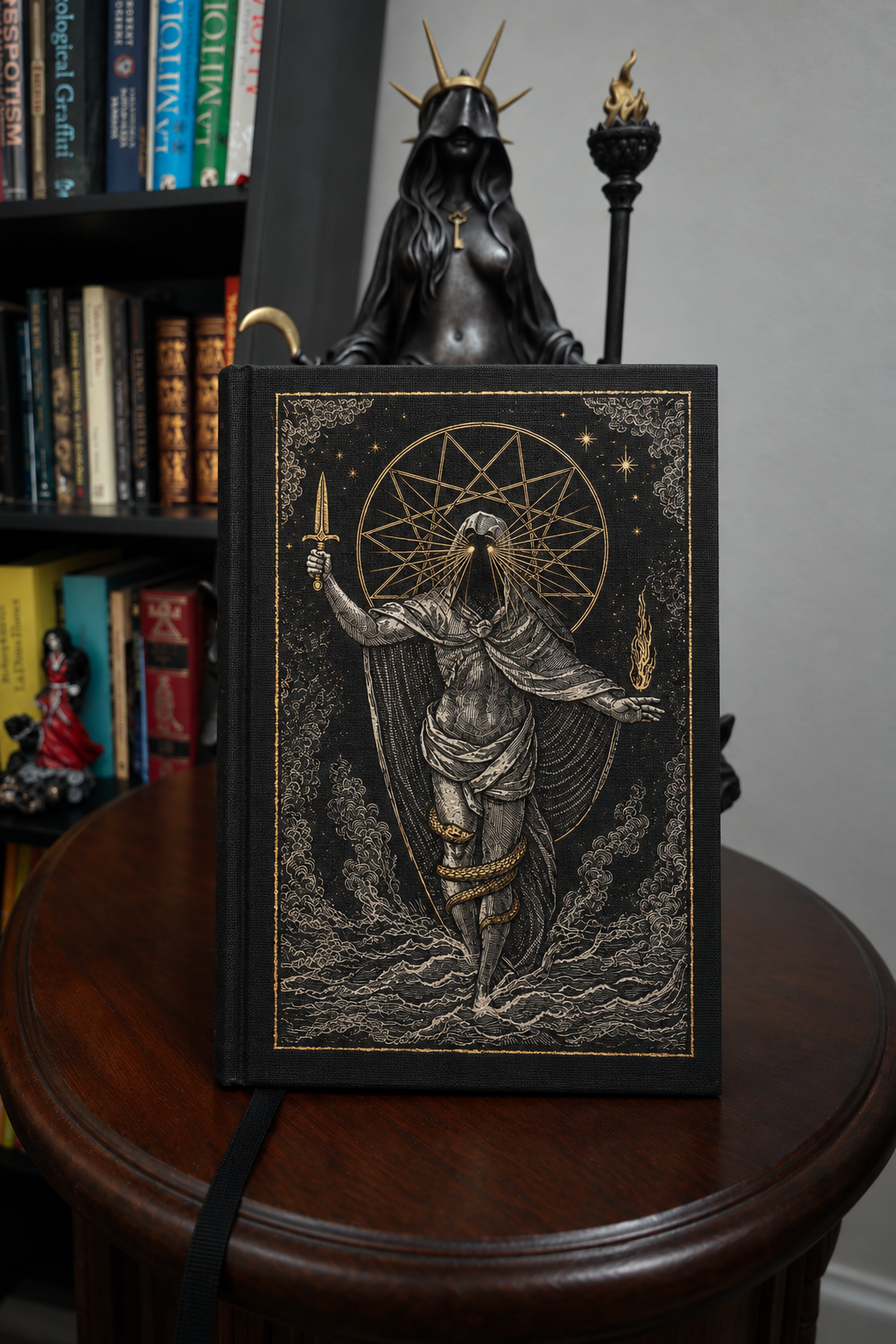
Luciferian Goetia: The Book of Howling — Michael W. Ford & Paul NS
From 66.00 $
LUCIFERIAN GOETIA: THE BOOK OF HOWLING (2026)
Luciferian Goetia now appears in its full darksome light in this third edition, expanded and reworked in collaboration. The Ars Goetia has long stood as the demonic grimoire par excellence, a book of seals, conjurations and offices through which the Seventy-Two Spirits may be called for almost every concern of human life. Beneath that familiar form, however, lie older traditions and currents reaching far beyond the Lemegeton. This edition explores those roots together with necromancy, older practices of spirit-contact, other dark tomes, vampiric rites, the Qliphoth, and a fuller Luciferian understanding of the spirits, the Daemon, Agathodaimon and Kakodaimon.
The goēs and psychagogos of the ancient world worked among the dead, tombs, shades and powers of the underworld. The Greek Magical Papyri preserve another part of this world: conjurations, bindings, dreams, oracles, divine and daimonic encounters, voices called from darkness. These rites do not pass unchanged into the later grimoires. They are broken apart, absorbed, renamed and combined with other traditions.
Necromancy here includes more than the summoning of the deceased. Chthonic powers, Daimons, underworld spirits and demonic intelligences also appear in rites of divination and descent.
The Goetic Spirits are approached as Daimons and intelligences with distinct natures and powers. The book teaches methods of contacting them through dream, desire and imagination without reducing them to psychological fragments. Some are oppressive, violent, predatory or profoundly chthonic. Others are sought for knowledge and vision, favor and influence, inspiration, desire, and the opening of new possibilities.
The Great Work is inseparable from the Daemon, understood as the totality of the sorcerer. Agathodaimon and Kakodaimon are complementary powers within that whole. The Agathodaimon gives form, illumination, integration and direction. The Kakodaimon opens upon shadow, desire, animality, buried memory, death, destruction and affinity with the demonic.
The Seventy-Two Spirits form the great body of the grimoire. Their seals, offices, traditional powers and descriptions are joined to the complete practice of invocation and evocation. The Kings and inherited ranks are arranged into a practical Luciferian hierarchy. The rites include preparation of the sorcerer and ritual place, Circle and Triangle, words of power, offerings, manifestation, communication and departure. The Ars Goetia remains the core, while the Grimorium Verum, the Book of Offices, the Picatrix and other dark tomes bring further spirits, images, rites and methods into its orbit.
The later connections between Goetic spirits and the Qliphoth are also explored, along with the traditions in which these correspondences developed. These demonic currents also encompass vampiric rites of hunger, predation and the taking of Life Force.
The book concludes with a practical and initiatory body of experimental rites drawn from the demonic grimoire tradition, forming an intensive self-initiation through the spirits, their powers and the mysteries they open.
Editions in hardcover and deluxe in full leather.
Edition limited to 16 deluxe copies, and 200 cloth hardcover.
Payments can be made by PayPal, with the guarantee that the service offers.
This BOOK CAN BE shipped along with other releasings, and in some cases (on the Deluxe editions orders), without added shipping costs!
Feel free to write to us with any questions. WE DO WHOLESALE DISCOUNTS AT -30%, 40% AND 50%!
Additional information
| Weight | N/A |
|---|---|
| Size | 14.4 x 2.5 x 22.7 cm |
| Page Count | 300 |
| Language | English |
| Paper | Nautilus 120.g |
| Hardcover Edition | Cloth covers, gold foil, quality paper and dustjacket. |
| Deluxe Edition | Grained black goat leather, gold foil on covers, premium quality paper, dustjacket, cloth slipcase and velvet on the inside. |
Related products
-

Twilight Man — Boyd Rice
From 26.00 $ Select options This product has multiple variants. The options may be chosen on the product page -

Hecate & The Black Arts: Liber Necromantia – Michael W. Ford
From 58.00 $ Select options This product has multiple variants. The options may be chosen on the product page -
The Grand Grimoire of the Infernal Pacts: Goetic Theurgy – Michael W. Ford
From 46.00 $ Select options This product has multiple variants. The options may be chosen on the product page -
Liber HVHI: The Magick of the Adversary – Michael W. Ford
From 88.00 $ Select options This product has multiple variants. The options may be chosen on the product page